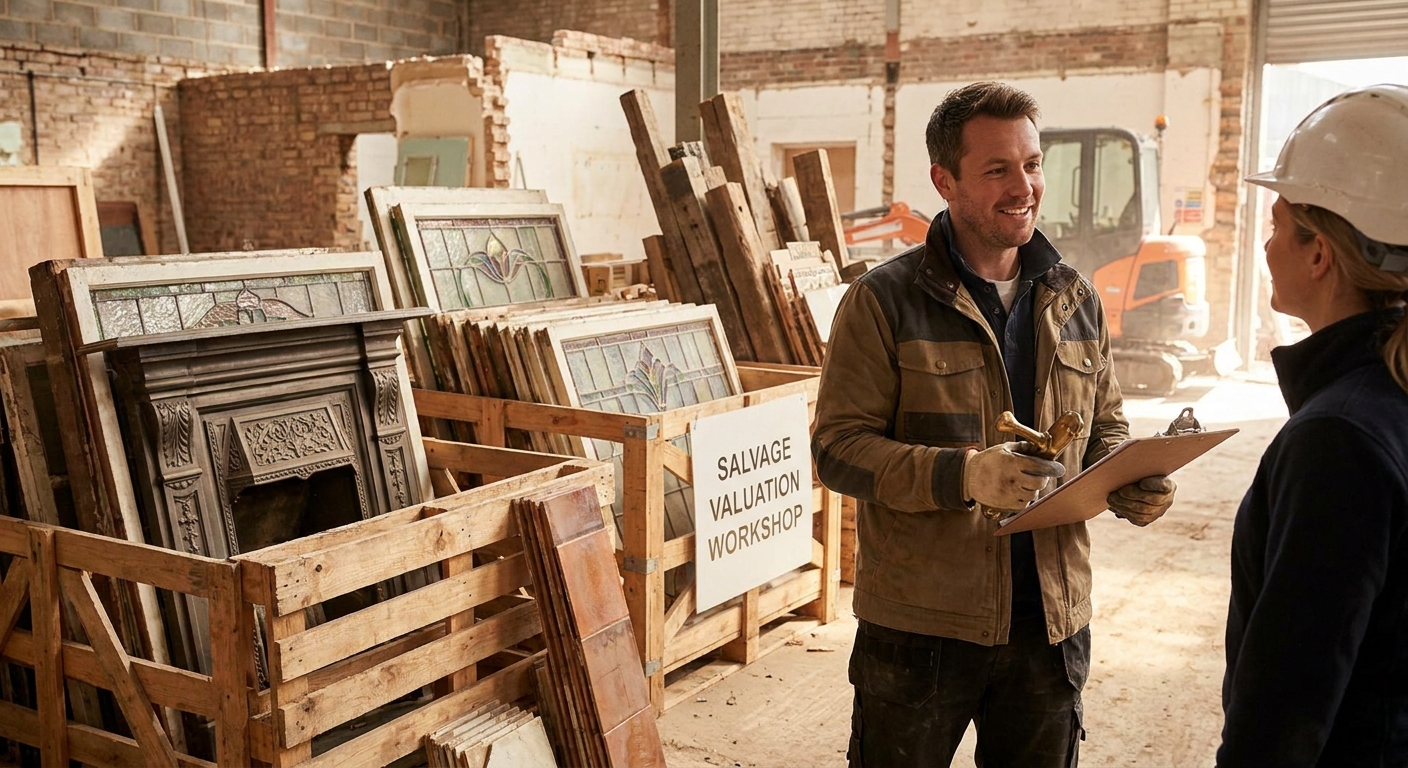
A tarnished old doorknob, perhaps from a home built when gaslights still flickered, might seem like just another piece of junk destined for the scrap heap during a renovation or demolition project. But what if that seemingly innocuous fixture, or a decorative accent elsewhere in the structure, holds a glint of genuine gold? It's a common oversight, y'all, how much actual precious metal can be embedded in the fabric of older buildings, ready to be lost forever.
When we talk about "architectural gold," we're not always imagining solid gold bricks behind the walls – though sometimes even small ingots have been found tucked away! More often, it refers to items that incorporate gold as part of their design or construction. This can range from gold leaf gilding on ornate plasterwork, crown molding, or fireplace surrounds, to gold plating on historic light fixtures, plumbing hardware like faucets and drains, or even door knobs and escutcheons. Older buildings, especially those from the late 19th and early 20th centuries, were sometimes outfitted with remarkably high-quality electroplated items, where the layer of gold is much thicker and more substantial than what you'd typically find today. It takes a keen eye, for sure, but the potential is absolutely there.
The tricky part, of course, is distinguishing between items that are genuinely valuable for their gold content versus those that are simply "gold-colored" brass or bronze. Demolition crews, while incredibly skilled at their work, aren't usually trained to identify precious metals or appraise the historic value of salvaged pieces. That's where an appraiser like me comes in handy, to sort through what might seem like plain old metal and discover its true potential. We're looking for hallmarks, specific manufacturing techniques, and the actual thickness and purity of any gold present. Sometimes a piece isn't valuable for its meltable gold content, but because it’s a rare, intact artifact that features gold in its original design—perhaps an irreplaceable art deco light fixture with gilded accents, or a set of hand-chased gold-plated hinges from a significant period home.
The value isn't just in the material, but in the object itself. An intricately designed gold-plated fixture from a specific architectural era could fetch far more as a collectible piece for restoration projects than its weight in scrap metal. Conversely, a heavily worn or damaged item might be best valued for its gold weight alone. My work involves determining whether a piece has more value intact—perhaps for its historical significance or artistic merit—or if its true worth lies in the recoverable precious metal. This requires a thorough understanding of metal content, market conditions for both raw materials and antique fixtures, and the nuances of various decorative arts periods.
Before any major demolition or renovation project begins, take a moment to look closely at the existing fixtures and decorative elements. Don't let valuable materials simply be tossed aside with construction debris. A professional appraisal can illuminate hidden treasures and ensure nothing of significant value gets mistakenly hauled away. It’s always better to know for sure what you’ve got on your hands, don't y'all think?